
 1300 285 885
 Australia has one of the world’s highest adoption rates of rooftop solar, and with rising electricity costs, more households are pairing panels with home batteries. But here’s the thing, not all solar panels and batteries offer the similar performance, durability, or safety.
Checking quality parameters is crucial if you want a system that delivers long-term savings, reliability, and peace of mind.
In this guide, we’ll break down the vital quality indicators that Australians should look for when choosing solar panels and home batteries, explained in simple language so you can make cleverer and safer decisions.
Key Quality Parameters for Solar Panels in Australia
The key quality parameters for solar panels chiefly define their performance, durability, and reliability over the long term.
- Conversion Efficiency: This metric is essential, indicating the percentage of sunlight energy the panel converts into usable electricity under standard test conditions (STC). A higher competence panel generates more power from a similar physical space.
- Power Output and Temperature Coefficient: The maximum power output, or Wattage, dictates the panel’s capacity. Critically, the Temperature Coefficient is a negative percentage (e.g., 0.30%) that quantifies how much power output drops for every degree Celsius above 25 °C, making a lower absolute value decisive for hot climates.
- Degradation Rate: This is the predictable, annual reduction in the panel’s power output (typically 0.4% to 0.7% per year). A low, guaranteed degradation rate is key to ensuring the panel meets its Performance Warranty, typically guaranteeing 80% to 90% of its original power after 25 years.
- Warranties and Durability: A high-quality panel must come with both a long Product Warranty (covering manufacturing defects) and a vigorous Performance Warranty. Durability is also measured by the panel’s ability to endure environmental stresses, such as high mechanical loads from wind and snow, and its resistance to defects like Potential Induced Degradation (PID).
Panel Efficiency
Panel efficiency refers to how much sunlight your panel can convert into usable electricity. In Australia’s sunny climate, advanced efficiency means more power from the same roof space.
How Efficiency Impacts Energy Generation
Think of efficiency as fuel economy. Higher efficiency = more electricity with the same sunlight. Modern panels range from 18% to 23% efficiency.
Temperature Coefficient
Solar Panels lose efficiency as they heat up, and we know Australian summers can get scorching.
Importance of Temperature Ratings in the Australian Climate
A lower temperature coefficient (like –0.35°C) means improved performance during heatwaves. This directly affects your summer bill savings.
Build Quality and Materials of Solar Panels in Australia
The build quality and materials of a solar panel are central to its long-term durability and resistance to environmental stress. The Solar Panel is constructed around high-quality photovoltaic (PV) cells, which are sealed between a robust tempered glass front sheet and a robust, weather-resistant backsheet (often a polymer composite).

These layers are framed by a sturdy, corrosion-resistant anodised aluminium frame that provides structural integrity and ease of mounting. Lastly, the cells are electrically connected to a sealed, weatherproof junction box using high-quality internal wiring and connectors to safeguard reliable power transfer.
High-quality materials ensure durability and long-term performance.
Frame Quality, Glass Type, and Lamination
- Aluminium frames resist corrosion
- Anti-reflective tempered glass increases power generation
- Multi-layer EVA lamination protects cells from moisture
Durability and Weather Resistance
Australia’s coastal regions, harsh UV, and occasional hailstorms demand rugged panels.
Salt Mist, Hail Impact, Wind Load Ratings
Check for:
- Salt Mist Certification (important for coastal homes)
- Hail Impact Rating (35 mm hail or better)
- Wind Load Rating of at least 2400 Pa
Performance in Low-Light Conditions
Good panels keep producing even on cloudy days. Look for low-light performance in the datasheet, this shows how panels perform in early morning, late afternoon, and cloudy conditions.
Degradation Rate
All solar panels degrade, but the rate varies by quality.
Annual Efficiency Loss and 25-Year Output
Top-tier panels degrade only 0.25% per year, retaining about 92% efficiency after 25 years. Cheaper panels may drop to 80% or below.
Warranty and Manufacturer Reliability
Product Warranty vs Performance Warranty
- Product Warranty: Covers physical defects (10–25 years)
- Performance Warranty: Guarantees energy output (usually 25 years)
Choose brands with strong reliability and presence in Australia.
Quality Parameters for Solar Home Batteries
The key quality parameters for solar home batteries regulate their performance, longevity, and overall value. The main metrics include Usable Capacity (kWh), which defines the total energy obtainable to power the home, and Power Output (kW), which dictates how many appliances can run concurrently.
Critical to lifespan is the Cycle Life, indicating the number of full charge-discharge cycles before the battery meaningfully degrades, naturally combined with the Depth of Discharge (DoD), the maximum safe percentage of the battery’s capacity that can be used.
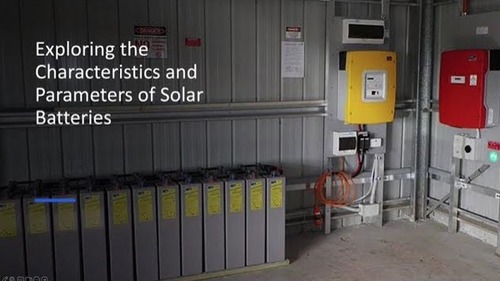
Besides, Round-Trip Efficiency measures the energy lost during the charging and discharging process, with higher percentages translating to improved performance and savings over time.
Battery Capacity & Usable Energy
Total capacity is not the same as usable energy. For example, a 10 kWh battery might offer only 9 kWh usable.
Why Usable Capacity Matters More
Usable capacity controls how much energy you can really draw during a blackout or at night.
Depth of Discharge (DoD)
DoD tells you how much of the battery’s capacity can be safely used.
High vs Low DoD Comparison
Higher DoD (90%+) means more usable energy and longer lifespan. LFP batteries often have better DoD.
Round-Trip Efficiency
This measures how much energy the battery returns after charging.
How Energy Loss Impacts Savings
A battery with 95% round-trip efficiency wastes less energy and maximises your bill reduction.
Battery Chemistry
Lithium Iron Phosphate (LFP) vs Other Chemistries
LFP batteries are:
- Safer
- More thermally stable
- Longer-lasting
This makes them ideal for Australia’s hot climate.
Cycle Life
A battery’s lifespan is measured in cycles, not years.
How Cycles Affect Battery Longevity
A battery rated for 6,000+ cycles will last suggestively longer than one with 3,000 cycles, especially when used daily with solar.
Temperature Tolerance
Australia’s heat can impact battery performance and safety.
Solar Battery Performance in Australia’s Climate
Australia’s diverse climate meaningfully impacts solar battery performance, with extreme heat being the chief challenge as it can accelerate cell degradation and trigger the battery’s management system to reduce its output above 30 °C to 40 °C.
To mitigate this, many high-quality batteries obtainable in Australia use Lithium Iron Phosphate (LFP) chemistry due to its greater thermal stability, alongside robust thermal management systems like active cooling.
Proper installation is vital, as siting the battery in a shaded, well-ventilated location, such as a garage or on a south-facing wall, is vital to protect it from the intense summer sun and ensure long-term efficiency and warranty compliance.
Look for batteries that maintain performance between 0°C to 50°C and have:
- Thermal management systems
- Built-in cooling features
Warranty & Brand Trust of Solar Batteries
The most critical aspect of a solar battery investment is the Warranty, which typically runs for 10 to 12 years and assurances a minimum end-of-warranty capacity (usually 70% of the original capacity).
Beyond the time period, batteries are also covered by a cycle count or throughput limit, meaning the warranty may expire if the energy cycled through the unit surpasses a certain Megawatt-hour (MWh) threshold, even before the time is up.
Eventually, Brand Trust is essential, as the warranty is only as valuable as the manufacturer’s financial stability and long-term pledge to the market to safeguard that they will be around to honour their replacement or repair obligations decades later.
What to Check in Warranty Terms
Good warranties cover:
- Minimum cycles
- Minimum energy throughput
- Replacement conditions
Choose brands with established service networks in Australia.
Australian Standards and Certifications
Clean Energy Council (CEC) Approved Lists
Ensure both your panels and batteries are CEC-approved. This is required for government rebates and confirms product quality.
IEC Certifications
Look for certifications such as:
- IEC 61215 (panel durability)
- IEC 61730 (safety)
Safety and Fire Standards
Batteries must comply with:
- AS/NZS 5139 – Australian battery storage safety standards
Comparing Popular Solar Panel and Battery Brands in Australia
In the Australian market, the comparison of solar brands often highlights a distinction between the finest options and value-oriented choices. For solar panels, high-efficiency, top-tier brands like SunPower, Maxeon and REC offer superior performance and longer warranties, while major players like Trina Solar and Jinko Solar dominate the value segment with outstanding cost-to-performance ratios and strong backing.
Regarding solar batteries, the market is modest with Tesla Powerwall known for its integrated smart technology, BYD for its safe and highly modular LiFePO4 systems, and Sungrow offering a compelling balance of high efficiency, performance, and affordability.
Finally, the best choice depends on the homeowner’s priority, whether it’s maximising roof space with premium efficiency or achieving the most cost-effective solution with a quality value brand.
Tier 1 Solar Panels in Australia
Top brands include:
- SunPower
- REC
- Jinko N-Type
- Longi Hi-MO series
Leading Battery Brands in Australia
Reliable battery brands:
- Tesla Powerwall
- BYD
- LG Chem
- Sungrow
- Redback
Tips to Avoid Low-Quality Solar Products
To avoid low-quality solar products, prioritise Brand Reputation and Financial Stability by choosing established, well-known manufacturers who are likely to honour their long-term warranties.
Judgmentally, examine the warranty fine print, ensuring both the product and performance assurances are healthy and do not contain unreasonable maintenance clauses that could void your coverage.
Finally, never select a solar system based on the lowest price alone; instead, place emphasis on the value proposition of panels with high efficiency and low degradation rates, paired with installation from certified and reputable local installers.
Red Flags to Watch
- Suspiciously low prices
- Unknown brands
- No CEC approval
- Short warranties
- No Australian service presence
How to Read Technical Datasheets
Always check:
- Efficiency
- Temperature coefficient
- Degradation rate
- Certifications
- Warranty terms
In Conclusion :
Choosing the right solar panels and home batteries in Australia necessitates more than just comparing prices, you need to appraise quality parameters that affect performance, safety, and long-term savings.
By checking factors like efficiency, degradation, usable battery capacity, warranties, and certifications, you can invest in a system built to endure Australia’s harsh climate while delivering maximum energy independence.
FAQs
1. What is the most important quality parameter for solar panels?
Efficiency, degradation rate, and temperature coefficient are the key indicators of long-term performance.
2. What battery type is best for Australian homes?
Lithium Iron Phosphate (LFP) batteries are preferred due to their safety, long lifespan, and heat resistance.
3. How long do good solar panels last in Australia?
High-quality panels last 25–30 years with minimal performance loss.
4. Is a higher DoD better for solar batteries?
Yes, a higher DoD means you can use more stored energy without damaging the battery.
5. Are CEC-approved solar products always high quality?
CEC approval ensures minimum industry standards, but comparing brands and specifications is still essential.