
 1300 285 885
 As solar energy continues gaining traction in Australia, homeowners increasingly seek reliable battery storage solutions to maximise their energy independence. The Sigenergy SigenStor battery has appeared as a standout option, offering ground-breaking features and robust performance.
At Solar Miner, we’ve closely scrutinised this system to thoroughly review its capabilities, benefits, and how it stacks up in the Australian market. This blog explains why the Sigenergy battery makes waves and whether it fits your home.
Understanding the Sigenergy SigenStor System
Launched in Australia in late 2023, the Sigenergy SigenStor is a modular, all-in-one energy storage system that integrates solar inverters, battery storage, and electric vehicle (EV) charging. Founded in 2022 by Tony Xu, a former Huawei solar division president, Sigenergy has rapidly established itself with a team of over 600 employees and a focus on cutting-edge technology.
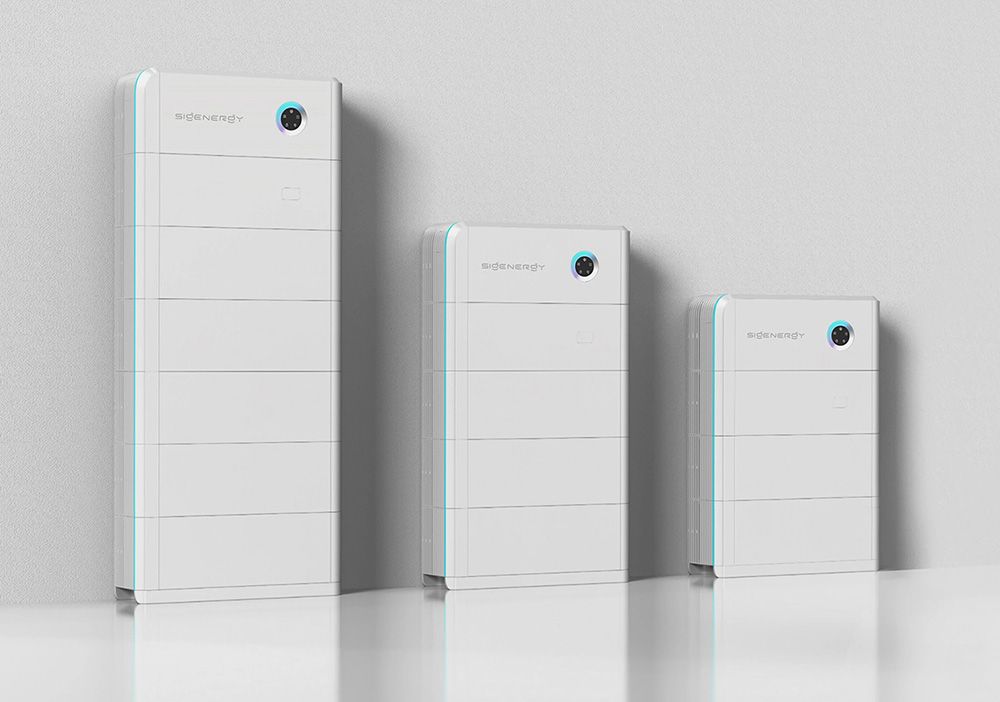
The SigenStor’s exclusive five-in-one design combines a photovoltaic (PV) inverter, battery power conversion system (PCS), battery pack, energy management system (EMS), and an optional EV DC charger, making it a multipurpose solution for modern energy requirements.
Introduction to Sigenergy Batteries in the Australian Market
The system’s modular design permits homeowners to scale storage capacity from 5 kWh to 48 kWh per stack, with the ability to parallel multiple stacks for commercial applications.
Its IP66 rating safeguards durability for indoor or outdoor installations, and advanced safety features, including five layers of protection, set it apart. But how does it execute in real-world scenarios, and is it worth the investment? Let’s dive deeper.
The batteries are available as single-phase models in 5kW, 6kW, 8kW and 10kW AC ratings, with 2, 3 or 4 MPPT inputs. In three-phase, it’s obtainable in 5kW, 10kW, 15kW, and 25kW AC ratings, with 2, 3 or 4 MPPT solar inputs. There are 5kWh and 8kWh battery packs obtainable, which are stackable to six units high (up to 48kWh capacity). Furthermore, further parallel capacity can be added.
The Sigenery (SigenStor) offers blackout protection, with a very rapid switchover time – 5-millisecond switching to backup mode. When grid power is restored, the system transitions back within 0 milliseconds. When installed as a battery hybrid (requiring a fee-based firmware upgrade), a gateway is accessible for full home backup.
Sigenergy Battery Module Specifications
| Feature | SigenStor BAT 5.0 | SigenStor BAT 8.0 |
| Nominal Capacity | 5.38 kWh | 8.06 kWh |
| Usable Capacity | 5.2 kWh | 7.8 kWh |
| Cell Capacity | 280 Ah | 280 Ah |
| Depth of Discharge | 97% | 97% |
| Built-in Solar Inverter | Yes | Yes |
| Battery Chemistry | Lithium Iron Phosphate (LiFePO4/LFP) | Lithium Iron Phosphate (LiFePO4/LFP) |
| Dimensions (W x H x D) | 767 x 270 x 260 mm | 767 x 270 x 260 mm |
| Weight | 55 kg | 70 kg |
| Backup Gateway | Yes | Yes |
| Scalable | Yes (up to 6 packs) | Yes (up to 6 packs) |
Sigenergy Inverter in Australia

The Sigenergy SigenStor system comprises a cutting-edge hybrid inverter that works pleasantly with its modular battery units. This inverter intelligently manages solar input, battery storage, and grid interaction, offering up to 25 kw output for high-demand households or light commercial setups.
Its integrated Maximum Power Point Tracking (MPPT) permits it to maximise solar yield, while smart load-shifting and time-of-use features safeguard energy efficiency throughout the day. Remarkably, it supports both on-grid and off-grid modes, routinely switching during outages to keep your important appliances running without interruption.
The Sigenergy battery, also known as the SigenStor system, has gained attention in the Australian solar storage market for its modular design and promising specs. With homeowners progressively seeking consistent and scalable battery options, Sigenergy claims up to 6 kW unceasing output and a serviceable capacity of 5 kWh per module—positioning it as a contender against rival brands.
In a recent survey of Australian solar users, 42% cited storage flexibility as their top purchase driver. Sigenergy’s multi-module capability may address this demand, while its integrated inverter promises unified connection to existing rooftop systems. This review assesses whether Sigenergy meets expectations in performance, durability, and value.
What Is the Sigenergy SigenStor System?
The Sigenergy SigenStor is an all-in-one residential energy storage solution, flawlessly integrating five core components into a single modular unit:
- Hybrid inverter (converts solar DC to usable AC, with output options up to 25 kW)
- Battery Power Conversion System (PCS) to manage charge/discharge
- Battery modules scalable from 5 kWh to 48 kWh per stack
- Optional DC EV charger, enabling vehicle-to-home (V2H) or grid (V2G) applications
- Energy Management System (EMS), powered by smart algorithms via the mySigen app
Modularity stands out, homeowners can start with a single 5 kWh module and expand up to six modules (48 kWh), supported by DC-DC optimisers that maintain performance as capacity grows. The whole setup is IP66-rated, confirming flexibility in harsh outdoor conditions.
This combined hardware–software architecture nurtures a cohesive ecosystem: the integrated inverter, CPU-level energy control, and app-based insights empower users to fine-tune self-consumption, backup, and EV charging strategies. Digital real-time monitoring through mySigen means performance adapts with evolving energy requirements.
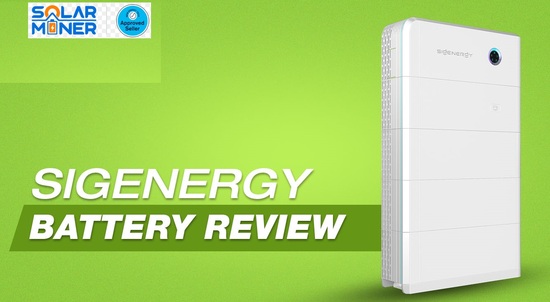
How Does the Sigenergy Inverter Perform?
The Sigenergy inverter, embedded within the SigenStor system, functions as a hybrid inverter, meaning it manages both solar input and battery storage. It provisions high DC input (up to 25 kW across models) and operates on multiple MPPTs, which benefits maximise solar efficiency even with shading or varied panel angles.
For Australian homes, this is particularly valuable because of how roof orientations differ. With 98.5% peak efficiency and fast switchover during outages (<10 ms), the Sigenergy inverter ensures a stable backup supply without manual intervention.
A standout feature is the fully integrated design, users don’t want separate inverters or external monitoring systems. It communicates directly with the energy management system and adapts to energy demands, battery levels, and even EV schedules.
The inverter is certified to Australian standards (AS4777.2:2020), supporting grid compliance, feed-in, and blackout protection. It’s also well-matched with both single-phase and three-phase configurations, making it appropriate for a wide range of properties.
How Scalable Is the Sigenergy Battery?
One of the chief advantages of the Sigenergy battery system is its modular design. Each SigenStor stack can hold up to six individual battery modules, each offering 5 kWh of usable capacity.
This consents a single stack to deliver up to 30 kWh (or 48 kWh gross) per unit, scalable for homes with higher energy requirements or future expansion plans.
This modular approach gives homeowners flexibility to start small and grow over time. For example, a household might begin with two modules (10 kWh) and expand as energy usage or solar input increases.
Sigenergy permits up to five SigenStor stacks to be installed in parallel, supporting an enormous 150 kWh usable capacity, adequate for large residential or even small commercial setups.
The battery chemistry is Lithium Iron Phosphate (LiFePO₄), known for thermal stability, long cycle life (6,000+ cycles), and better safety under Australian heat conditions. Each module features self-governing control and monitoring, supported by DC-DC optimisers that isolate faults and improve lifespan.
For bushfire-prone or blackout-affected areas, this scale and control give the system a noteworthy reliability edge. The IP66 waterproof/dustproof rating also enables outdoor installation without enclosures.
How Durable Is the Sigenergy Battery in Australian Conditions?
The Sigenergy battery system is built with durability in mind, chiefly for Australia’s demanding climate. Its IP66 rating means it’s protected from dust, heavy rain, and even coastal salt exposure, making it ideal for both metro and remote installations. The battery operates efficiently between -20°C and 55°C, covering all Australian weather extremes from Darwin’s heat to Victoria’s winters.
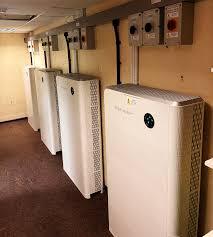
One key point that stands out in real-world user reviews is the system’s heat indulgence design. Sigenergy uses active air cooling combined with intelligent load balancing, helping the batteries avoid thermal strain during extended summer usage or in enclosed spaces.
Moreover, the battery’s long lifecycle of 6,000+ full charge-discharge cycles, equates to around 15–20 years of regular use. It also comes with a 15-year warranty, which includes performance guarantees (minimum 70% capacity retention) and parts coverage.
For homes affected by recurrent outages or grid instability (particularly in outer suburbs or regional areas), the battery’s rapid switch-over time and built-in surge protection make it a consistent backup. The system also integrates surge control, arc fault detection, and cell-level monitoring to prevent system-wide failures.
What’s the Price of the Sigenergy Battery and Is It Worth It?
Pricing for the Sigenergy battery varies depending on configuration, installer, and location, but a typical 10 kWh system (2 battery modules + hybrid inverter + EMS) installed in Australia starts from $10,000 to $13,000, including GST and installation. Each extra 5 kWh module adds roughly $2,000–$2,500, depending on installer margins and shipping.
While this may seem higher than some entry-level batteries, Sigenergy’s all-in-one tactic reduces the essential for extra components like separate inverters, communication units, and monitoring systems.
The system also qualifies for local rebates and Small-Scale Technology Certificates (STCs) under the Australian Renewable Energy Target.
Eligible homeowners may also benefit from the federal government’s solar battery rebate schemes, which can reduce upfront costs further, depending on your state or territory.
Over 15 years, a fully utilised system can save thousands in electricity bills, especially if used for peak shaving or VPP participation. For example, a Brisbane household on a time-of-use tariff could cut annual bills by $1,200–$1,800 with an optimised battery setup.
So is it worth it? For tech-forward homeowners wanting flexibility, long-term security, and minimal maintenance, the upfront cost is balanced by long-term returns, chiefly in states like SA, NSW, and QLD where solar incentives and uptake are strongest.
Real User Review: SigenStor Inverter + Battery Performance
A homeowner in the Northern Beaches of Sydney freshly installed a complete Sigenergy SigenStor system, including the hybrid inverter and a 16 kWh battery setup. User reported a noticeable drop in grid reliance up to 85%, even during the cloudy winter season.
The inverter’s unified switch between solar, battery, and grid was highlighted as a game-changer, specifically during peak usage. The user also praised the mySigen app’s intuitive design, noting that its real-time energy flow tracking and AI-driven suggestions helped them fine-tune consumption behaviours for even greater savings.
Key Features of the Sigenergy Battery
The Sigenergy SigenStor stands out for its forward-thinking design and functionality. Here are its top features:
- Modular Scalability: Stackable battery modules (5 kWh or 8 kWh) allow customisation from 5 kWh to 48 kWh per tower, ideal for small homes or large commercial setups.
- Bi-Directional EV Charging: The optional 25 kW DC charger supports vehicle-to-home (V2H) and vehicle-to-grid (V2G) applications, a rare feature in the market.
- Advanced Safety: Five layers of protection, including AI-monitored temperature sensors, aerogel insulation, and an internal fire extinguisher, ensure top-tier safety.
- AI-Powered App: The mySigen app, integrated with GPT-4, offers real-time monitoring, troubleshooting, and automated energy optimisation to maximise savings.
- Off-Grid Capability: The system supports seamless off-grid operation with the correct gateway, making it suitable for remote properties.
These features position the Sigenergy battery as a premium, future-proof solution, but its performance and cost are critical considerations.
Pros and Cons of Sigenergy Battery
As with any energy storage solution, the Sigenergy SigenStor comes with its own set of advantages and drawbacks. Here’s a breakdown to aid you evaluate whether it’s the right fit for your energy needs.
Pros:
- Modular & Scalable – Start small and expand as your energy needs grow.
- Bi-Directional EV Charging – V2H (Vehicle-to-Home) and V2G (Vehicle-to-Grid) capabilities, offering greater flexibility.
- Advanced Safety Features – Includes five layers of protection, including AI-monitored temperature sensors and aerogel insulation.
- Future-Proof Design – Supports off-grid operation and seamless integration with solar inverters and EV chargers.
- AI-Powered App – Provides real-time monitoring and automated energy optimisation for savings.
- Long Warranty – 10-year warranty for peace of mind.
Cons:
- Premium Price – The Sigenergy battery system is priced higher compared to entry-level options like BYD or Sungrow.
- New to the Market – While it offers advanced features, the lack of long-term reliability data may deter cautious buyers.
- Complex Installation – The modular stacking design requires skilled technicians for proper installation, adding to the overall cost.
- Size & Weight – The larger storage systems may require significant space for installation, especially if you opt for the maximum 48 kWh setup.
What is the Life Cycle of the Sigenergy Battery?
The Sigenergy SigenStor battery has a warranted life cycle of at least 10 years, retaining 70% of its usable capacity or achieving at least energy throughput (15.85 MWh for 5 kWh modules, 23.77 MWh for 8 kWh).
Its Lithium Iron Phosphate (LFP) chemistry ensures safety and longevity, with a cycle life of around 6,000 cycles under optimal conditions.
Regular maintenance and suitable usage, such as avoiding extreme temperatures, can extend its lifespan. The 10-year warranty aligns with industry standards, but the lack of long-term data due to Sigenergy’s recent market entry is a consideration for cautious buyers.
Sigenergy Battery Rebate Information
The Federal Government Solar Battery Rebate offers 30% off the cost of purchasing and installing a solar battery system, serving reduce upfront costs for Australian homeowners. This rebate is designed to make energy storage more manageable, encouraging the use of renewable energy.

- Rebate Value: You can receive up to 30% off the cost of your Sigenergy Battery system, depending on eligibility.
- Eligibility: To qualify, you must meet specific criteria, such as being the owner of a property with an existing solar panel system, and the battery system must meet the technical standards set by the government.
The Sigenergy Battery systems are eligible for this rebate, meaningfully lowering the installation cost.
Performance and Real-World Feedback
Early adopters in Australia have shared positive experiences with the Sigenergy battery. One Perth homeowner reported a 70% reduction in power bills after installing a 13 kWh system, noting the user-friendly app and whole nighttime battery usage.
Another user praised the system’s ability to charge from solar panels even during cloudy conditions, highlighting its reliability. Installers have also given high marks, with the SigenStor earning second place in the 2025 Installers’ Choice Awards, reflecting confidence in its hardware and performance.
However, some users mention the system’s premium price, starting at around $11,000 for an 8 kWh battery with a 5 kW single-phase inverter, excluding installation. While the cost per watt decreases with bigger capacities, it’s higher than budget options like Sungrow’s PowCube. The stacking design, while ground-breaking, can complicate installation, requiring skilled technicians to ensure optimal setup.
What is the Best Home Battery in Australia?
Determining the best home battery in Australia depends on your energy desires, budget, and priorities. The Sigenergy SigenStor excels for tech-savvy users seeking scalability, EV integration, and off-grid capabilities, but its higher cost and unproven long-term reliability may deter some.
Alternatives like Tesla Powerwall 2 offer an established track record, while BYD and Sungrow deliver cost-effective options. For homeowners prioritising innovation and future-proof features, Sigenergy is a top contender.
Safety Features and Smart Technology
Thermal Management System
Sigenergy batteries use multi-layer thermal protection, keeping cells cool during extreme temperatures and helping prevent thermal runaway.
AI-Powered Energy Management
The “smart brain” inside the unit learns your usage habits and weather patterns, adjusting when to charge or discharge for optimal savings.
Comparing Sigenergy to Competitors
To help you decide, here’s how Sigenergy compares to key competitors:
- Tesla Powerwall 2: Offers 13.5 kWh capacity and a strong track record but lacks bi-directional EV charging. It’s slightly more expensive for similar capacity.
- BYD Battery-Box: Known for affordability and reliability, BYD is ideal for budget-conscious buyers but doesn’t match Sigenergy’s integrated features or app functionality.
- Sungrow PowCube is a cost-effective modular system but lacks Sigenergy’s EV charging capabilities and advanced safety features.
- iStore (Huawei): This company offers modular batteries (5 kWh to 30 kWh) at competitive pricing but doesn’t include a built-in EV charger or off-grid support.
Sigenergy’s unique selling point is its all-in-one design, which simplifies installation and future upgrades, but its premium price may not suit every budget.
Is the Sigenergy Battery Worth It in Australia?
The Sigenergy SigenStor is a compelling choice for Australian homeowners seeking a high-tech, scalable energy storage solution. Its modular design, bi-directional EV charging, and AI-powered app make it a standout, chiefly for those planning to integrate EVs or go off-grid.
However, its higher upfront cost and lack of long-term reliability data may give pause to conservative buyers. Compared to competitors, it offers supreme versatility but requires cautious consideration of your energy desires and budget.
We recommend the Sigenergy battery at Solar Miner for tech-forward households and businesses looking to future-proof their energy systems.
Contact our team for a personalised assessment and free quote to explore whether it’s right for you. With government rebates and virtual power plant (VPP) programs obtainable, now is a great time to invest in solar storage.
Comparing Sigenergy Batteries With Competitors
Sigenergy vs Tesla Powerwall 2
| Feature | Sigenergy | Tesla PW2 |
| Battery Chemistry | LiFePO4 | NMC |
| Efficiency | Higher | Moderate |
| Price | Slightly cheaper | Higher |
| Smart Features | AI-driven | Standard |
Sigenergy vs BYD Battery Box
BYD is known as a budget-friendly option. Sigenergy provides:
- Smarter interface
- Higher efficiency
- Better surge capacity
Sigenergy vs Sungrow SBR
Sungrow is affordable and widely available. Sigenergy wins in software, safety, and long-term performance, while Sungrow wins in price.
Deep Dive: Performance Review of Sigenergy Batteries
Efficiency and Round-Trip Performance
Efficiency determines how much stored energy you can actually use. Sigenergy advertises up to 97% round-trip efficiency, placing them among the top performers in the market.
This means less energy loss and higher output during daily cycling.
Real-World Cycling and Longevity
LiFePO4 batteries already outperform older chemistries, but Sigenergy claims over 6,000 cycles before major degradation. In real-world usage, this translates to 15–20 years of reliable service, assuming one full cycle per day.
Energy Output in High-Demand Situations
Many Australian homes rely heavily on large appliances like air-conditioning. Sigenergy batteries maintain strong discharge rates, making them suitable for households with high-demand equipment. Their ability to deliver off-grid surge power is another major plus.
Installation Experience Across Australia
Professional Installer Feedback
Solar installers across Australia have praised the battery for:
- Simple commissioning
- Fast setup
- Clear mobile app integration
- Lightweight modular stacks
Many note that Sigenergy provides solid technical support as a big advantage for new brands.
Homeowner Experiences and Ratings
Australian homeowners report:
- Quiet operation
- Reliable backup power
- Strong performance during blackouts
- Intuitive app features
Some users mention early software updates caused delays in pairing, but these issues appear to have been resolved.
Who Should We Buy Sigenergy Batteries?
Ideal Use Cases and User Profiles
Sigenergy batteries are best for:
- Homes wanting long-term savings
- Users needing blackout protection
- Off-grid setups
- Large families with high electricity use
- Tech-savvy homeowners who value smart features
Conclusion
This Honest Review of Sigenergy Batteries in Australia shows that Sigenergy is a rapidly emerging competitor in the home battery market.
With strong performance, smart technology, and impressive efficiency, the brand presents a compelling alternative to more established names like Tesla and BYD.
While pricing is not the lowest and the brand is still gaining market presence, the overall value, performance, and durability make Sigenergy a highly attractive option for Australian households seeking long-term energy independence.
The Sigenergy SigenStor battery is redefining home energy storage in Australia with its innovative design and healthy features. While it comes at a premium, its scalability, safety, and integration capabilities make it a worthy contender.
By addressing key questions like its life cycle and comparing it to other top batteries, we hope this review helps you make an informed decision. Ready to take control of your energy future? Reach out to Solar Miner today!
FAQ:
1. How long do Sigenergy batteries last?
They are rated for 6,000+ cycles, giving most households 15–20 years of use.
2. Are Sigenergy batteries safe?
Yes. They use LiFePO4 chemistry, known for high stability and excellent thermal safety.
3. Are they better than the Tesla Powerwall?
In some areas, efficiency and cost, they can outperform Tesla. But Tesla still leads in brand recognition.
4. Are Sigenergy batteries suitable for off-grid living?
Absolutely. Their modular design and high surge capacity make them excellent for off-grid properties.
5. How much do they cost in Australia?
Prices vary, but expect mid-to-high tier pricing depending on the configuration.
6. Do Sigenergy batteries work during power outages?
Yes, they provide fast, seamless backup power with minimal switching delay.
7. What is the Sigenergy battery?
The Sigenergy battery is a modular lithium iron phosphate (LiFePO₄) energy storage system integrated with a hybrid inverter, suitable for residential and small commercial solar setups.
It offers flexible capacity scaling from 5 kWh to 150 kWh and includes app-based energy management, EV charging support, and blackout protection.
8. Is the Sigenergy battery available in Australia?
Yes, the Sigenergy battery is available in Australia through selected solar installers. It meets Australian standards (AS4777.2:2020), is IP66-rated for outdoor use, and qualifies for local solar rebates and feed-in schemes.
9. How much does the Sigenergy battery cost?
A standard 10 kWh Sigenergy battery system in Australia costs between $10,000 and $13,000 including installation. Additional battery modules are priced around $2,000–$2,500 each, depending on supplier and location.
10. What inverter is used in the Sigenergy system?
The Sigenergy SigenStor system includes a built-in hybrid inverter supporting up to 25 kW of DC input. It has multiple MPPTs, rapid switch-over for backup power, and integrates directly with the energy management system and EV charger.
 Get a Quote